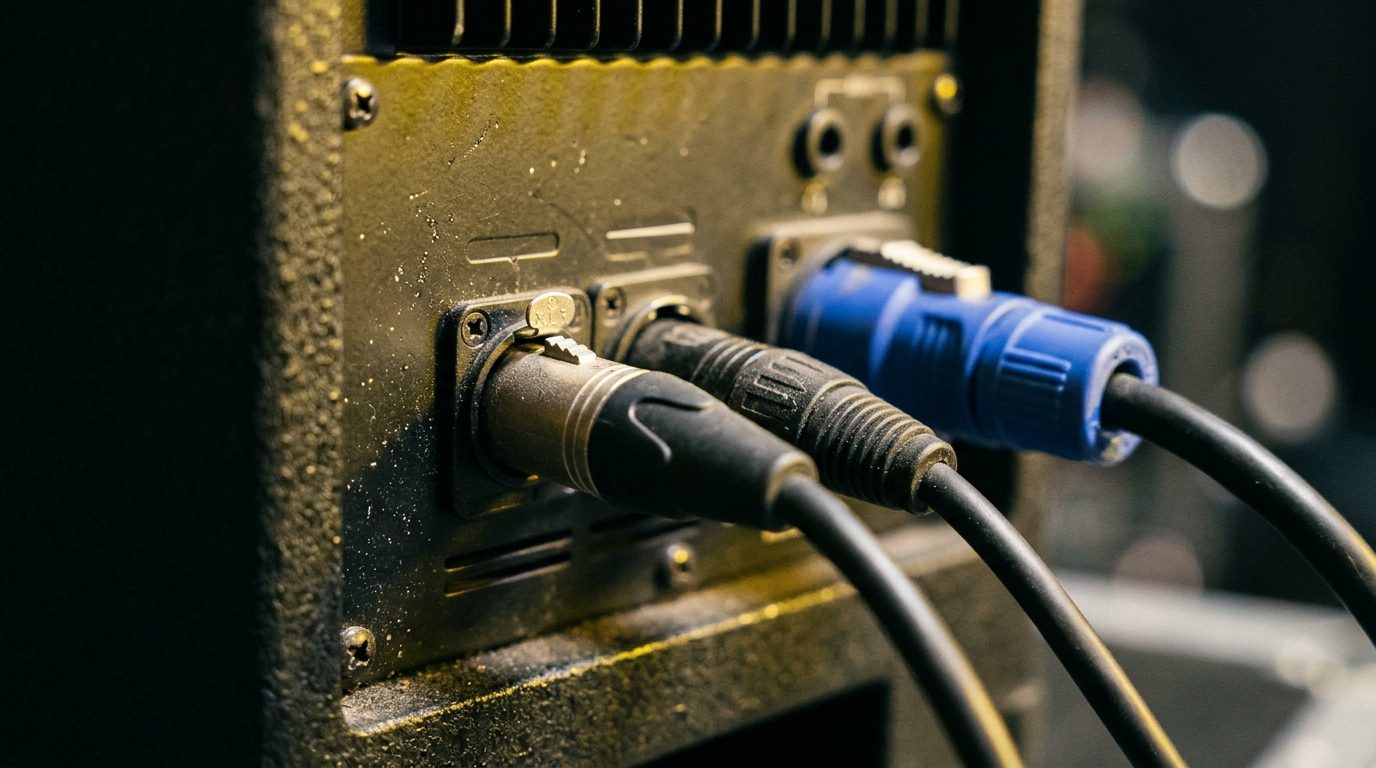
01Connectors: what plugs into what
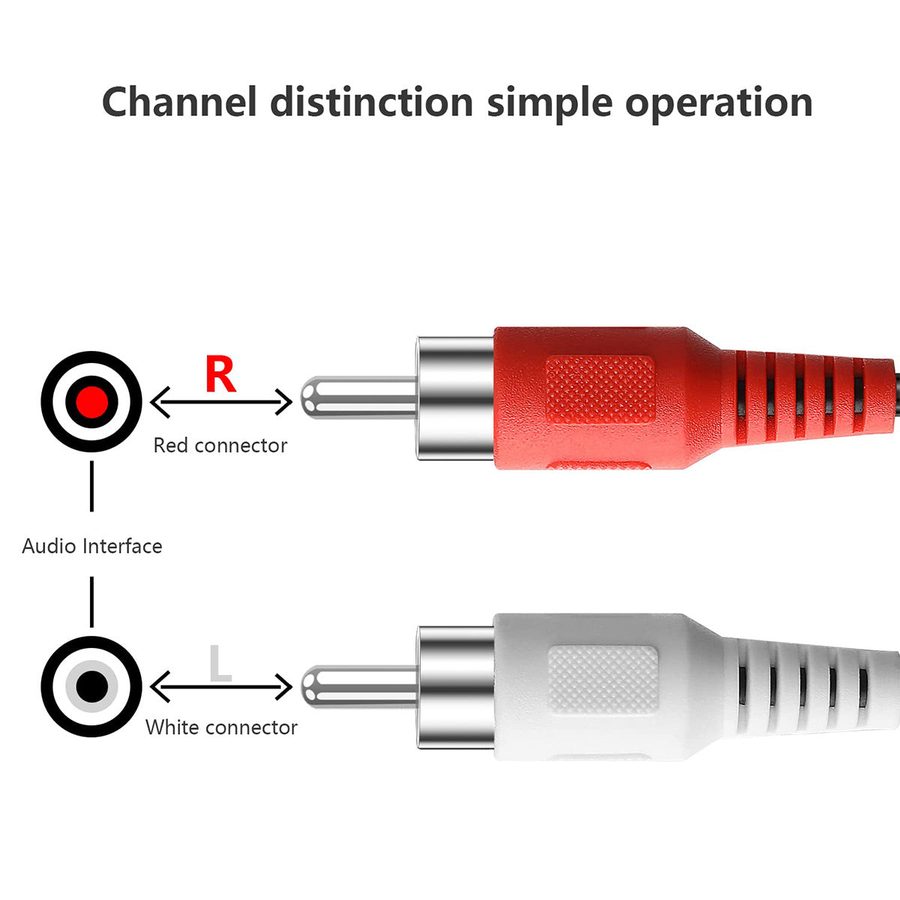 RCA: CD / controller out
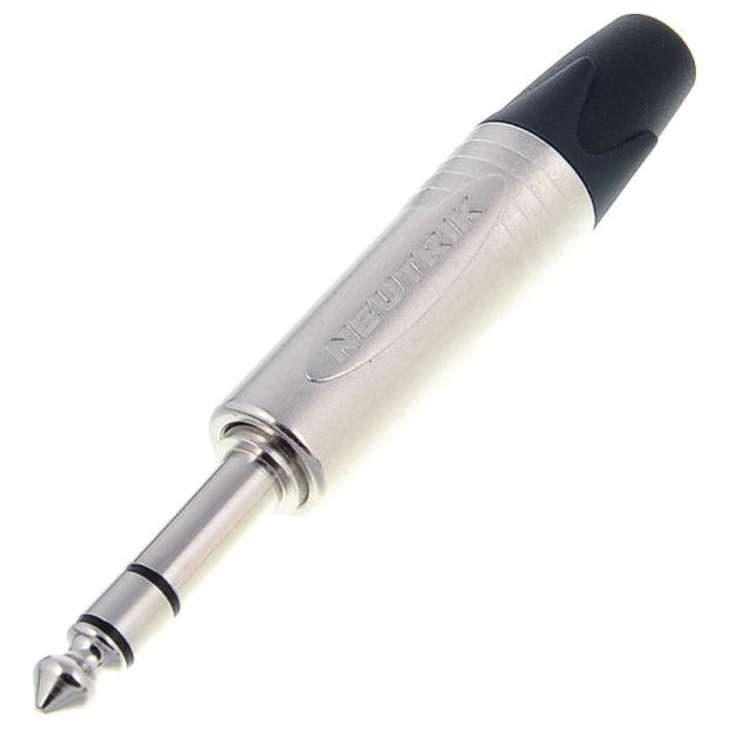 TRS jack: line level
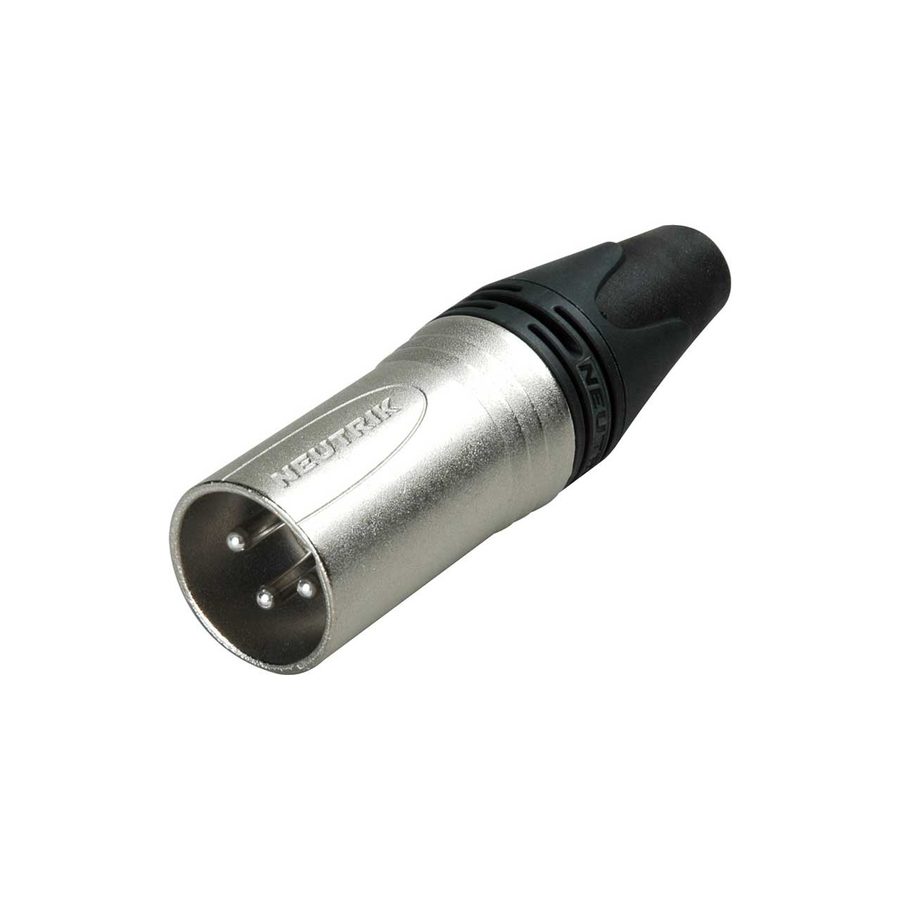 XLR: mic and line
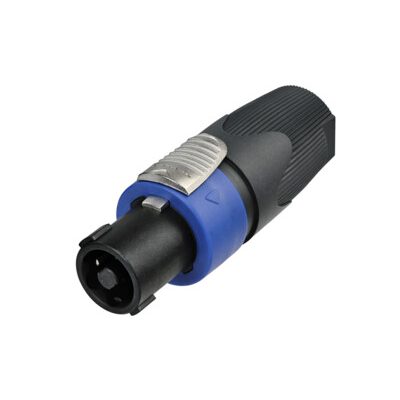 Speakon: amp to passive speaker
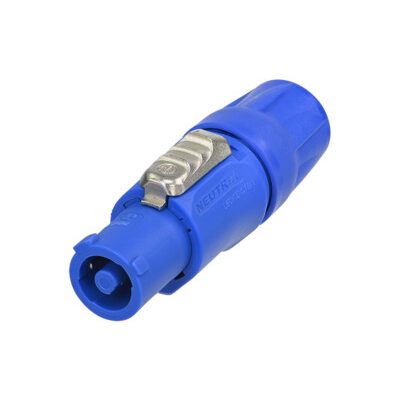 powerCON: 230 V to powered box
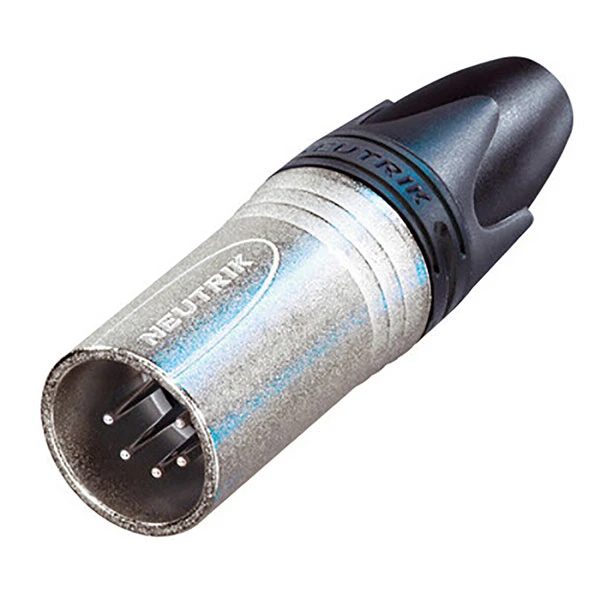 5-pin XLR: DMX only, never audio
Every rig in this module uses four cable types. Learn the four and you can read any wiring diagram on site. The colour code below is used in every diagram on this page.
| Cable | Looks like | Carries | Balanced? | Rule |
|---|---|---|---|---|
| RCA (phono) | Red and white pair of push-on plugs | Line level from CD players, DJ controllers, laptops | No. Unbalanced. | Keep it short: under 3 m. Longer picks up hum. Use a DI box for a long run. |
| XLR | 3-pin, latching | Mic level or line level. Mixer outputs to powered speakers or amps. | Yes. | Can run 50 to 100 m without hum. The standard for everything between mixer and speakers. |
| 6.35 mm jack | Guitar-lead plug. TS (two rings) or TRS (three) | TS: unbalanced. TRS: balanced line. | TRS yes, TS no. | A TS jack over 10 m is a hum generator. Prefer XLR for anything between mixer and speaker. |
| Speakon | Round, twist-lock, 2 or 4 pole | Amplifier output to a passive speaker. High current. | n/a (power) | Only ever amp-to-passive-speaker. Never into a mixer, a powered speaker or a processor. |
| Mains | 3-pin or 16 A Commando | 230 V to every powered box | n/a | Powered speakers need two cables: signal (XLR) and power. Forgetting the second one is the number-one "dead speaker" on site. |
Signal cables carry a whisper. Speaker cables carry a shove. Red RCA and blue XLR never go where a yellow Speakon goes, and the other way round.
02Stereo into powered speakers
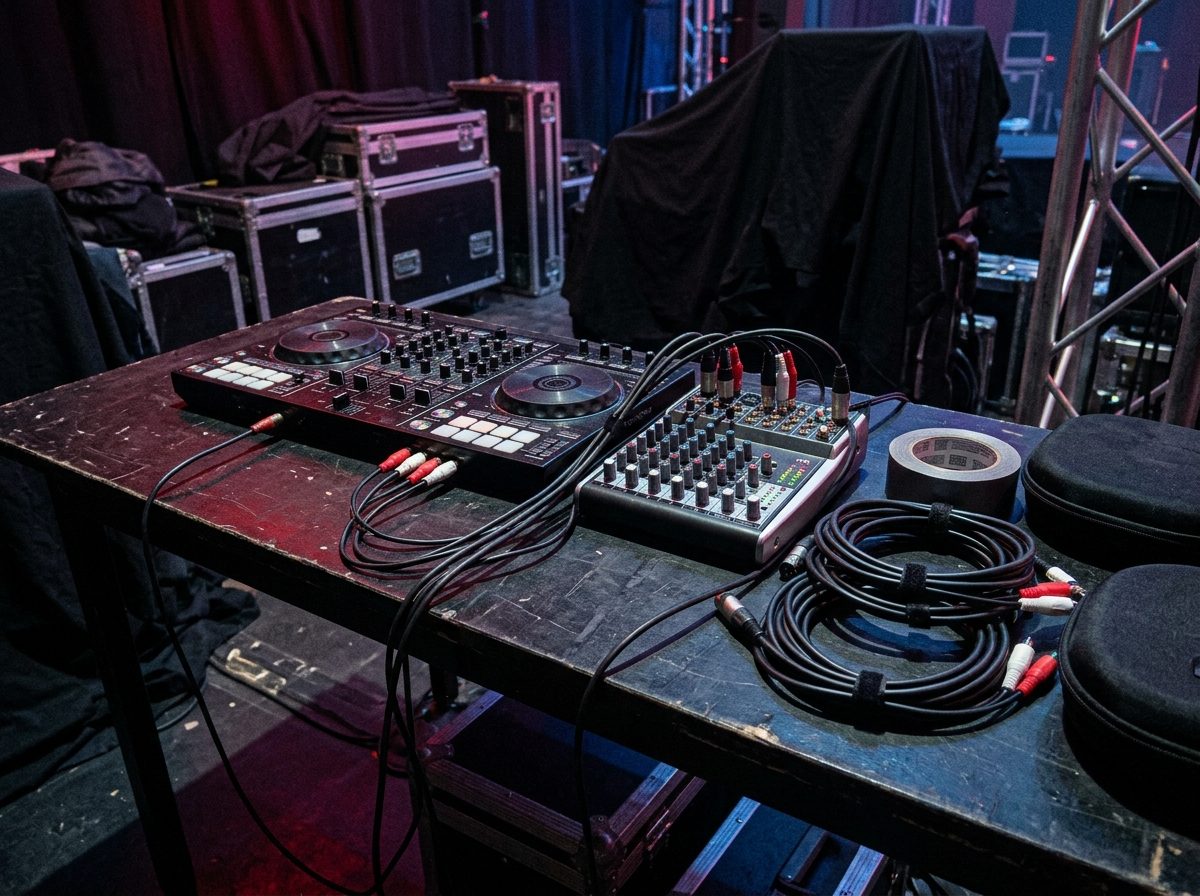
The most common rig at a corporate event. One stereo source, one mixer, two powered speakers. Three things to get right: the source is stereo so it needs two cables; the mixer's main output is stereo so it needs two cables; each powered speaker needs signal and power.
In the B&W kit: Evox 8 and Evox 12 columns and the JBL powered subs are all powered boxes. XLR in, XLR link out, power in.
What's this?
- CD player / controller → mixer: red and white RCA, unbalanced, under 3 m, into one stereo line channel (or two mono channels panned L and R).
- Mixer Main L → left speaker, Main R → right speaker: XLR, balanced, any length up to 100 m.
- Each powered speaker: XLR in + 230 V mains. Gain knob on the back at about three-quarters.
Common mistakes on this rig
- Only one RCA plugged in: the source is mono on one side, so one speaker is quiet or silent.
- Both XLRs out of Main L: both speakers play the left channel. It works, but it's mono, and any stereo pan on the mixer vanishes.
- Speaker gain at full with the mixer at −20: hiss. Mixer at unity, speaker at three-quarters (Module 2, Lesson 8).
03Adding a third powered speaker
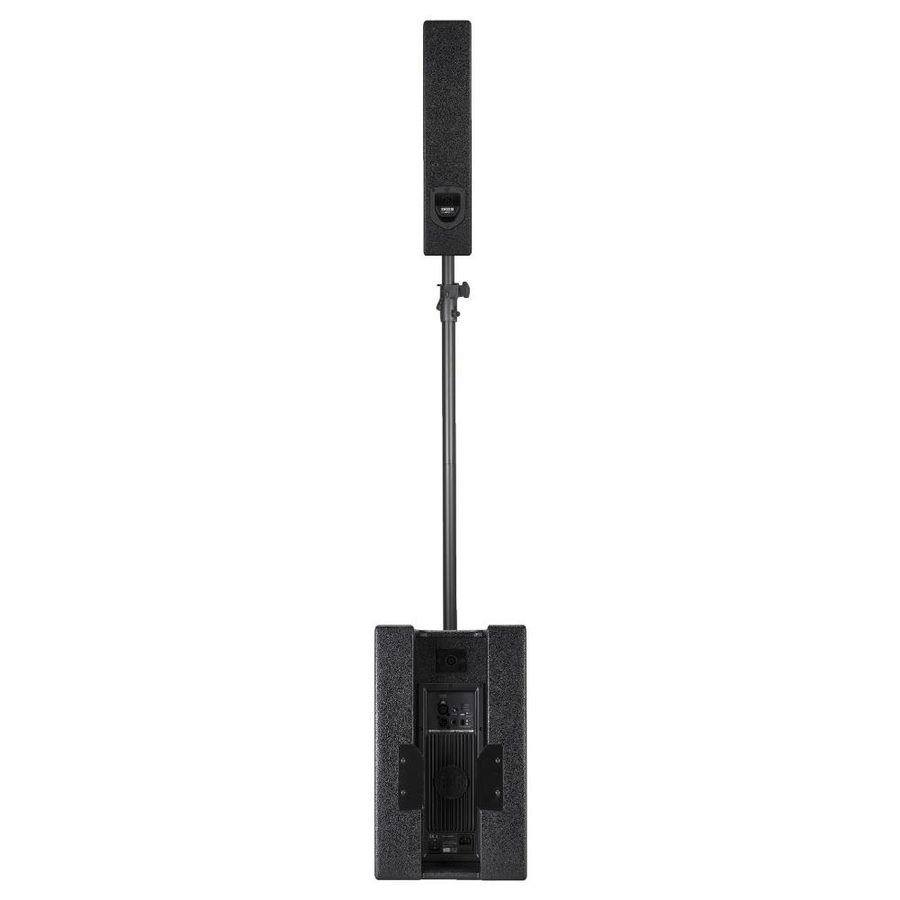
Every powered speaker has an XLR link (sometimes marked thru or out) next to the input. It is a straight copy of whatever comes in. Plug an XLR from the link of one speaker into the input of the next and you have added a box with no extra mixer outputs. This is the powered-speaker version of "parallel", and because each box has its own amp, there are no ohms to worry about.
Try it: link a third box
Link/thru is a copy of the input. You can chain several boxes. Rule of thumb: no more than four on one chain, and check the last box's input is still clean. A fill at the back is better fed from a mono or aux output on the mixer, with its own delay if it's more than 15 m from the mains.
The link carries line level, not speaker power. It needs the next box to be a powered speaker. Linking into a passive box does nothing.
04A processor in the chain
When tops and subs are separate boxes, something has to split the signal: bass to the subs, everything else to the tops. That is the processor (also called a crossover, DSP or system controller). It sits between the mixer and the amps or powered boxes. Modern powered subs often have the crossover built in, but a separate processor lets you set it properly and add delay and limiting.
Try it: two-way or three-way, and where it crosses
| Setup | Crossover points | Goes where |
|---|---|---|
| Two-way | 80 to 120 Hz (100 Hz typical) | Below: sub amp or powered sub. Above: top amp or powered top. |
| Three-way | 80 to 100 Hz, then 1.2 to 2 kHz | Sub, mid driver, horn. The second point comes from the speaker's spec sheet. |
Use 80 Hz when the tops are 15" boxes that carry some bass. Use 100 to 120 Hz with 10" or 12" tops. The processor also holds the limiter and any delay for fills.
Without a crossover the tops try to play bass they can't, and the subs play vocals they shouldn't. Splitting the job makes both boxes louder and cleaner. Module 7 covers how to set the processor up.
05Amp and passive speakers: the ohms
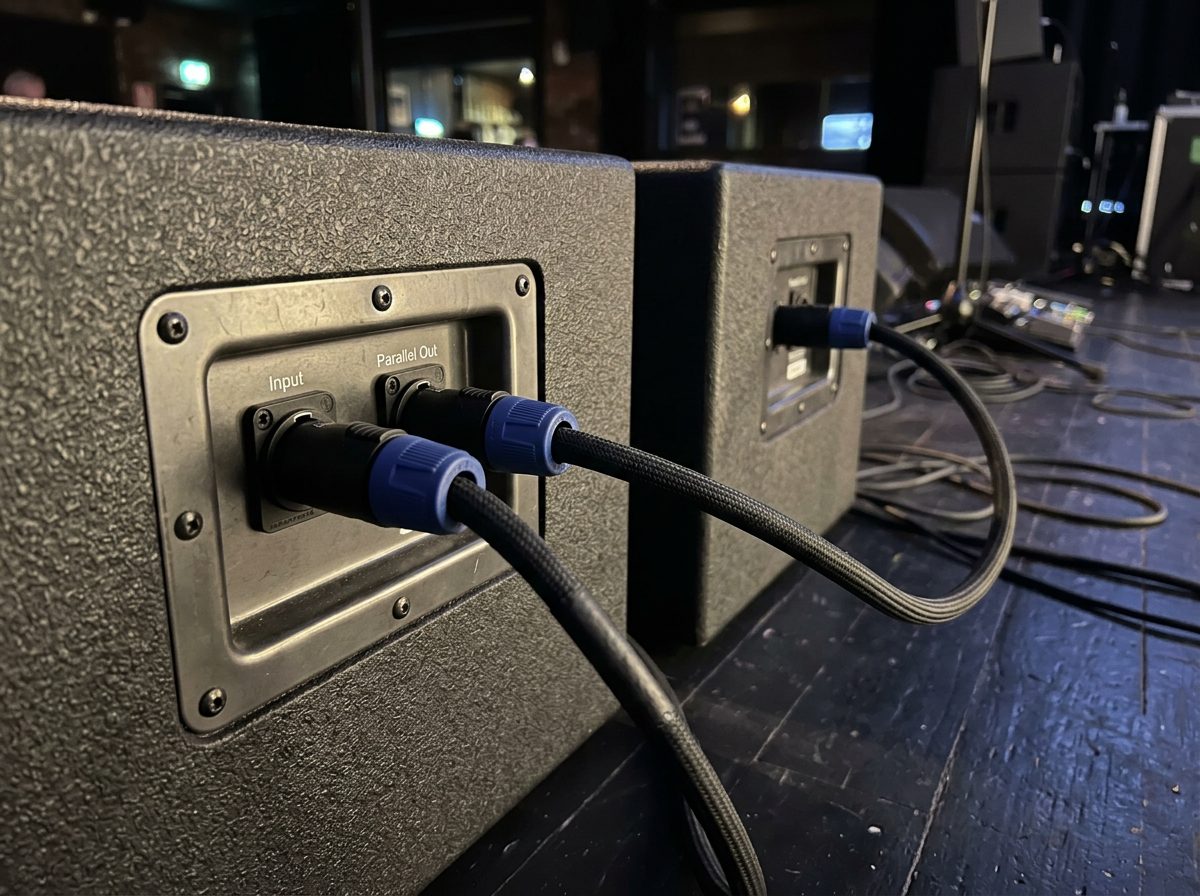
Old school, and still how line-array elements and many hire rigs run. The mixer feeds a power amplifier. The amp drives passive speakers over Speakon leads. Now the ohms matter, because the amp sees every box you hang on a channel.
In the B&W kit: the D208A line-array elements are passive. They need an amp and Speakon leads, and the ohms matter.
Try it: add boxes per side
| Boxes per channel | Load | Typical amp output | Verdict (4 Ω amp) |
|---|---|---|---|
| 1 × 8 Ω | 8 Ω | 500 W | Safe |
| 2 × 8 Ω linked | 4 Ω | ~850 W | At the limit, allowed, about +4 dB louder |
| 3 × 8 Ω linked | 2.7 Ω | amp protects or fails | Not allowed |
Link out on a passive speaker is a parallel connection. Two 8 Ω boxes make 4 Ω. More current, more power, more heat. Stop at the amp's minimum load, printed on its back.
06Soundcheck: find the fault
Ten problems. Each one shows a rig, what you hear, and what the meters show. Click the cable or box you think is at fault. The meters are the clue: signal on a meter means everything before that point is fine.
Problem 1 of 10
07Wiring order and the two-minute check
Wire in the same order every time, then test the chain from the source forward before doors. It takes two minutes and it catches nine faults out of ten.
- Power first, switched off. Mains to every powered box and the amp. Nothing on yet.
- Speaker side. XLR from mixer mains to speakers (or to processor, then amps, then Speakon to passive boxes). Label each lead at the mixer end: "L", "R", "Sub".
- Source side. RCA from CD player or controller into the mixer. Red to right, white to left. Check the mixer channel is a stereo line channel, or two channels panned hard L and hard R.
- All gains and faders down. Mixer on. Processor on. Speakers or amp on, last.
- Play a track you know. Bring up the channel fader to unity. Watch the mixer meters: both L and R moving? Then the processor meters. Then listen at each box in turn.
- Walk the room. Stereo image sits in the middle, bass present, no hum. Mute, and the room goes silent (no buzz means no earth loop).
| What you hear | Where the signal stops | Look at |
|---|---|---|
| Nothing at all, mixer meters dead | Before the mixer | Source playing? RCA in the right channel? Channel gain up? |
| Nothing at all, mixer meters moving | After the mixer | Main fader, main XLRs, speakers powered and gain up, processor mutes |
| One side only, mixer meters show both | After the mixer, that side | That side's XLR, that speaker's power, that amp channel |
| One side only, mixer meter shows one | Before the mixer, that side | That RCA, the channel pan, a mono source |
| No bass | Sub path | Processor low out, sub amp, sub power, sub polarity |
| Hum or buzz on one box | That cable run | Unbalanced lead over 5 m, missing earth, different power phase |
08Check what you learnt
Ten questions. Pick an answer for each, then press Mark my answers. You need 8 out of 10 to pass this module. You can retry as often as you like.
Ten questions. Circle one answer for each. The answer key is on the last page. Pass mark: 8 out of 10.
Answer key
Photos: product images courtesy of the manufacturers (RCF, Neutrik) and their distributors; scene photographs are AI-generated illustrations and do not show B&W Productions equipment or events.