TL;DR
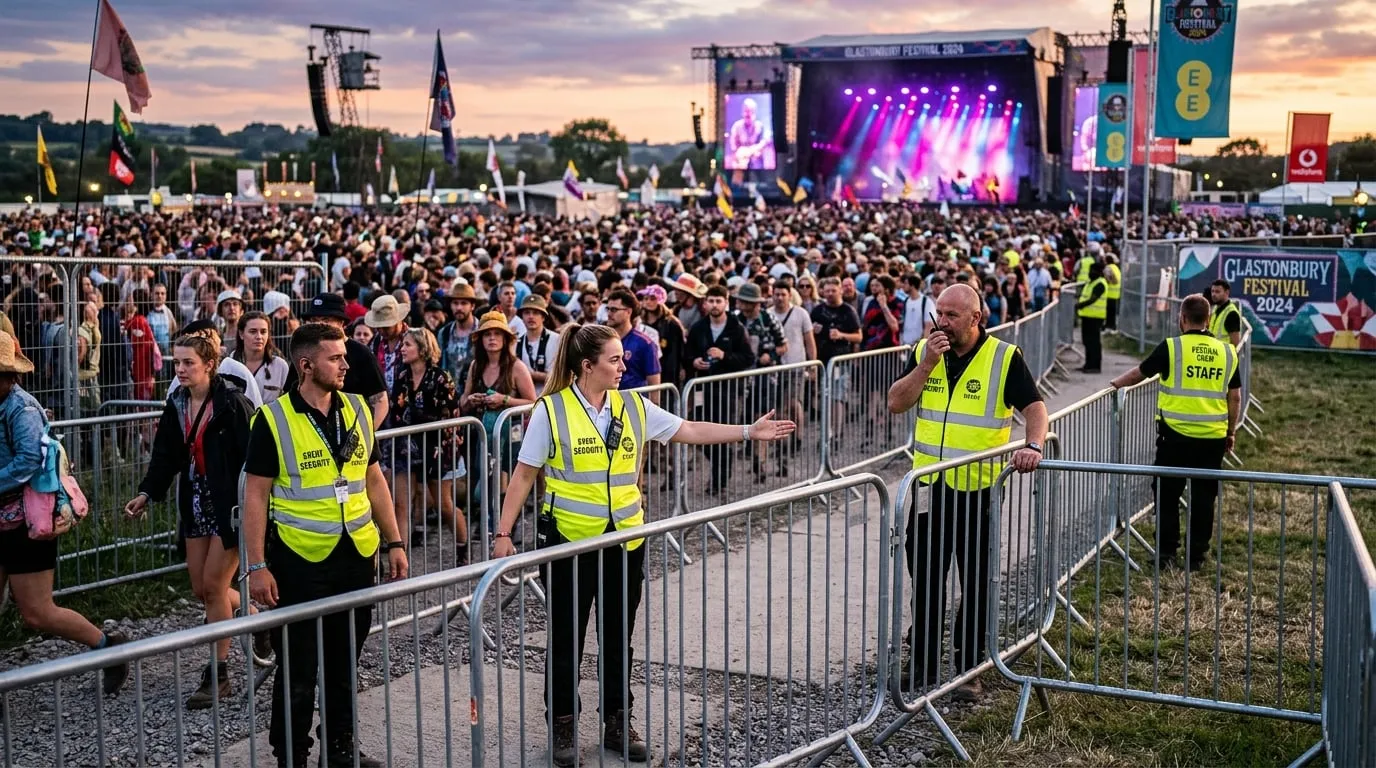
SASREA (the Safety at Sports and Recreational Events Act) governs safety at public events in South Africa. This guide explains which events it covers, how events are risk-categorised, who is responsible, and a practical compliance approach.
Key Takeaways
- SASREA applies to any gathering of more than a prescribed number of people at a venue — not just sports.
- Events are risk-categorised by type, crowd size and venue — higher-risk events need more detailed safety plans.
- The event organiser bears primary legal responsibility, but venue owners and local authorities also have duties.
- Non-compliance can see an event prohibited or stopped — and carries penalties.
If you are planning any sizeable public event in South Africa, you will sooner or later run into four letters: SASREA. It sounds like red tape, but it is really about one thing — making sure everyone who comes to your event goes home safely. Here is what it is, who it applies to, and how to stay on the right side of it, explained in plain English.
After 10,000+ events since 1993, we have planned safety for everything from intimate functions to large public events. This guide distils what event organisers actually need to understand about SASREA — without the legal jargon. It is a general explainer, not legal advice; for a specific event, always confirm your obligations with the venue and the relevant authorities.
What Is SASREA?
SASREA stands for the Safety at Sports and Recreational Events Act, Act 2 of 2010. It is national South African legislation — meaning it applies across every province, from Gauteng to the Western Cape — that sets out how events at stadiums, venues and along public routes must be planned and run to keep people safe. It was introduced to prevent the kind of crowd-safety failures that have caused tragedies at events around the world, and it places clear legal duties on the people who organise, host and control events.
Which Events Does It Cover?
SASREA applies broadly to sports and recreational events held at a stadium, venue or along a route to which members of the public are invited or admitted — whether entry is free or paid. In practice that includes:
- Concerts, music festivals and public entertainment events
- Sporting fixtures and tournaments
- Large community, cultural and public gatherings
- Big corporate events open to the public
Small private functions on private property — a wedding, a birthday, a corporate year-end at a private venue — generally fall outside its direct scope. That said, the safest mindset is never to assume you are exempt: assess the actual risk of your specific event, because crowd size and venue matter more than the label you give the occasion.
How Events Are Risk-Categorised
One of the most misunderstood parts of SASREA is categorisation. The Act works on a risk basis, commonly described as low, medium and high risk. Crucially, the category is driven by the event’s risk profile — not by which province or town it is in. The main factors are:
- Expected crowd size relative to the venue’s capacity
- The nature and history of the event — has this type of event had incidents before?
- The venue and route — its layout, access, egress and suitability
- The potential for incidents — crowd behaviour, alcohol, rivalries, profile
The higher the risk category, the greater the level of planning, security, medical cover and authority involvement required. A small, calm recreational event sits at one end of the scale; a large, high-profile event with a big crowd sits at the other. Getting the categorisation right early is what shapes your entire safety plan.
Who Is Responsible?
Under SASREA, responsibility is shared between several parties, each with their own duties:
- The event organiser — responsible for the safety planning, risk assessment, appointing competent safety personnel and putting the required measures in place.
- The venue or stadium owner — responsible for the safety of the venue itself and its suitability for the event.
- The controlling body — where one exists for the type of event, with oversight duties.
- The authorities — the South African Police Service and other role-players, who assess and support the safety arrangements.
In real terms, the organiser carries the load of pulling the plan together and coordinating everyone else. This is exactly where an experienced production partner earns their keep.
How to Stay Compliant — A Practical Approach
Compliance is far less daunting when you build it into your planning from day one rather than bolting it on at the end. A sensible approach:
1. Start With a Risk Assessment
Before anything else, honestly assess the risk of your event — crowd size, venue, event type and potential for incidents. This determines your risk category and everything that follows.
2. Engage the Venue and Authorities Early
Talk to your venue and the relevant authorities well ahead of time. They will guide you on requirements and expectations, and early engagement avoids nasty surprises close to the event date.
3. Build a Safety and Security Plan
Develop a plan matched to your risk category, covering crowd management, access control, medical cover, emergency evacuation routes and clear communication. The bigger the event, the more detailed this must be.
4. Appoint Competent Safety Personnel
Put qualified, experienced safety and security people in the right roles, with clear lines of responsibility on the day.
5. Document and Rehearse
Write it all down, brief your team, and rehearse the plan — especially the emergency procedures. On the day, everyone should know their role without hesitation.
Why It Matters Beyond the Law
It is tempting to see SASREA as a compliance hurdle. But strip away the legislation and what remains is simply good event practice: knowing your crowd, planning for the worst, and making sure people are safe. Non-compliance can see an event prohibited or stopped and carries penalties — but the real cost of poor safety planning is measured in people, not fines. Treat safety as a core part of your event, not an afterthought, and compliance largely takes care of itself.
Let Us Handle the Heavy Lifting
Understanding SASREA is one thing; delivering a fully compliant, safe and brilliant event is another. Our team has spent three decades planning events across South Africa, coordinating safety, venues and authorities so our clients can focus on their guests. If you are planning a public event and want the safety side handled properly, see our services or get in touch for a quote. You may also find our event planning checklist and our guide to the six major components of an event useful as you plan.