TL;DR
Bringing an international touring artist to South Africa is a financial, PR and operational build — not a phone call. This guide walks through the research stack that picked the artist, the agency-first engagement model (CAA and WME), the X+Y+Z+contingency financial stack with its 50% artist deposit, the rider-management discipline, the credibility narrative, the three-city tour model anchored on Voortrekker Monument Amphitheatre in Pretoria, and the rain insurance that covered the entire Durban show when it poured.
Key Takeaways
- How to research and select an international artist with real market data — not gut feel
- Why every booking goes through CAA or WME, and how the agency model actually works
- How to structure the X + Y + Z + contingency budget around a 50% artist deposit
- How to manage technical and hospitality riders on South African soil
- The PR credibility playbook that beats the fly-by-nighters
- Why insurance went from $1 million to $5 million — and how rain insurance saved the Durban show
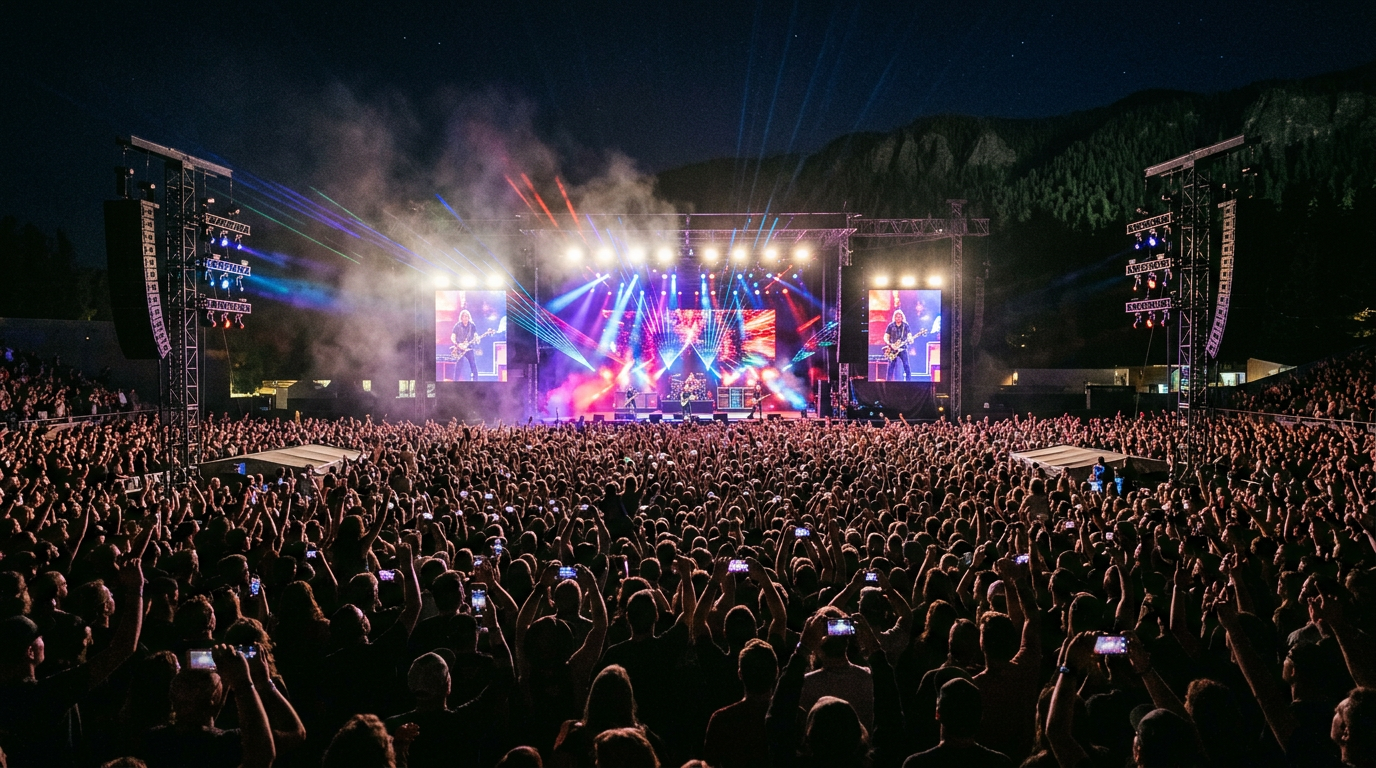
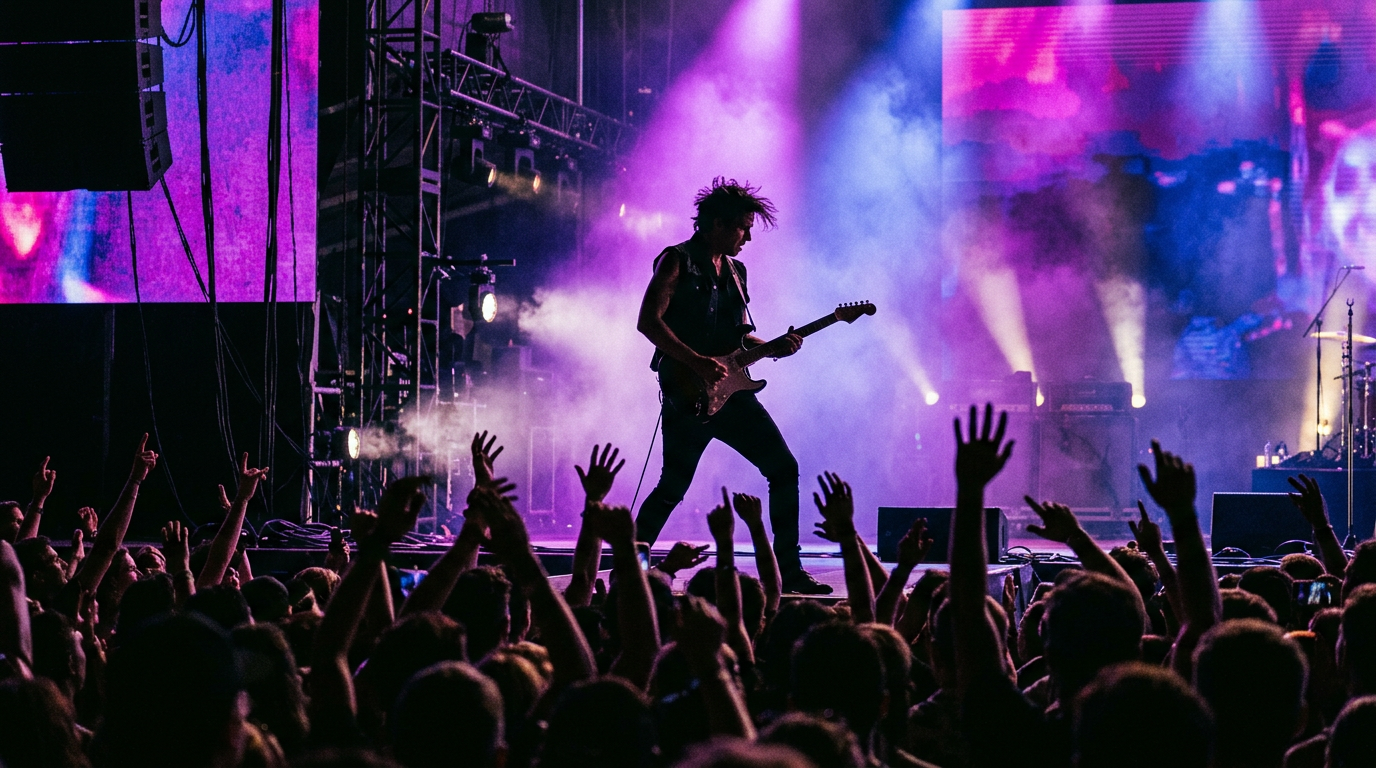
Twenty-four years is a long gap between visits. This step-by-step guide shows how a South African promoter brought the Goo Goo Dolls back, what it cost, what nearly went wrong — and what every aspiring promoter should copy from the build.
Why this case study, why now
The promoter behind this tour — collaborating with B&W Productions’ wider network — has consented to the lessons being republished. Where earlier drafts mistyped names, we have corrected to the canonical spelling (Goo Goo Dolls). No commercial rates are disclosed.
1. The market reality: South Africa is not a hub
South Africa sits geographically isolated from the major touring circuits — South America and the Antipodes are far more efficient runs, and the closest hub, Dubai, is a 7–11 hour flight. That alone removes South Africa from the standard pre-packaged international routing. The upshot: any international artist visit is deliberate, capital-intensive, and will be a hard sell to the agency unless your case for the market is unimpeachable.
2. Artist selection & the research stack — how to pick the right artist
Three signals separate a viable international tour from a vanity booking:
- Nostalgia fit. South Africa has a pronounced tendency to favour 90s bands. An artist who last toured here 24 years ago and still has a strong catalogue scores high on nostalgic demand.
- Active global touring. Many legacy artists quietly step back from the road for album cycles. Confirm current world-tour activity before investing in a bid.
- Comparable market response. Build a private “apples-for-apples” comparison against recently successful bookings of similar demographic artists (the Bryan Adams / Sting tier).
The tools of choice:
- Pollstar.com as the public baseline of who’s touring.
- Paid research subscriptions — roughly R15,000/year — for deeper global routing data.
- Proprietary tooling pulling Spotify and social media data to model expected market response.
3. The agency-first engagement model
The single biggest error new promoters make: sending a pitch to the artist directly. Don’t. Promoters always engage the artist’s agency first. The two networks that matter are CAA and WME — the Goo Goo Dolls were represented by WME. From there the route is:
- Submit a comprehensive production proposal with a financial offer (guarantee, ticket split, or hybrid).
- Agency allocates a territorial agent — for Southern Africa, that sits inside the global WME desk.
- All subsequent technical detail — backline, riders, hospitality — flows through the management team and technicians, never through the artist direct.
Marketing approval is a hard gate
Your marketing plan must be submitted to and approved by the agency’s management before launch. Plan it before the deal; pitching it after slows ticket revenue and burns sponsor credibility.
4. The financial stack: X + Y + Z + contingency
This is where most first-time promoters fail. The budget isn’t a single number — it’s a layered capital stack:
- X — Artist fee (with a 50% deposit required upfront, before any marketing or ticket sale)
- Y — Venue deposits and supplier commitments
- Z — Full marketing budget
- Contingency — non-negotiable, sized to absorb a rain-day, a visa delay, or a sponsor pullout
Two rules that aspiring promoters violate to their cost:
- You cannot fund initial costs from ticket revenue. Tickets flow in after the marketing spend — you must have the full stack in place before launch.
- Sponsorships are upside, never the base case. Treat them as a margin enhancer, never as the number the deal rests on.
5. Rider management: technical vs hospitality
Every artist arrives with two riders. Both matter, but they solve different problems:
| Rider | What it covers | The South Africa friction |
|---|---|---|
| Technical rider | Backline, audio spec, stage plot, lighting | Routed via management — no direct artist contact |
| Hospitality rider | Food, beverage, dressing room, transport | Often lists items unavailable locally (e.g. Fiji water) — negotiated to SA equivalents |
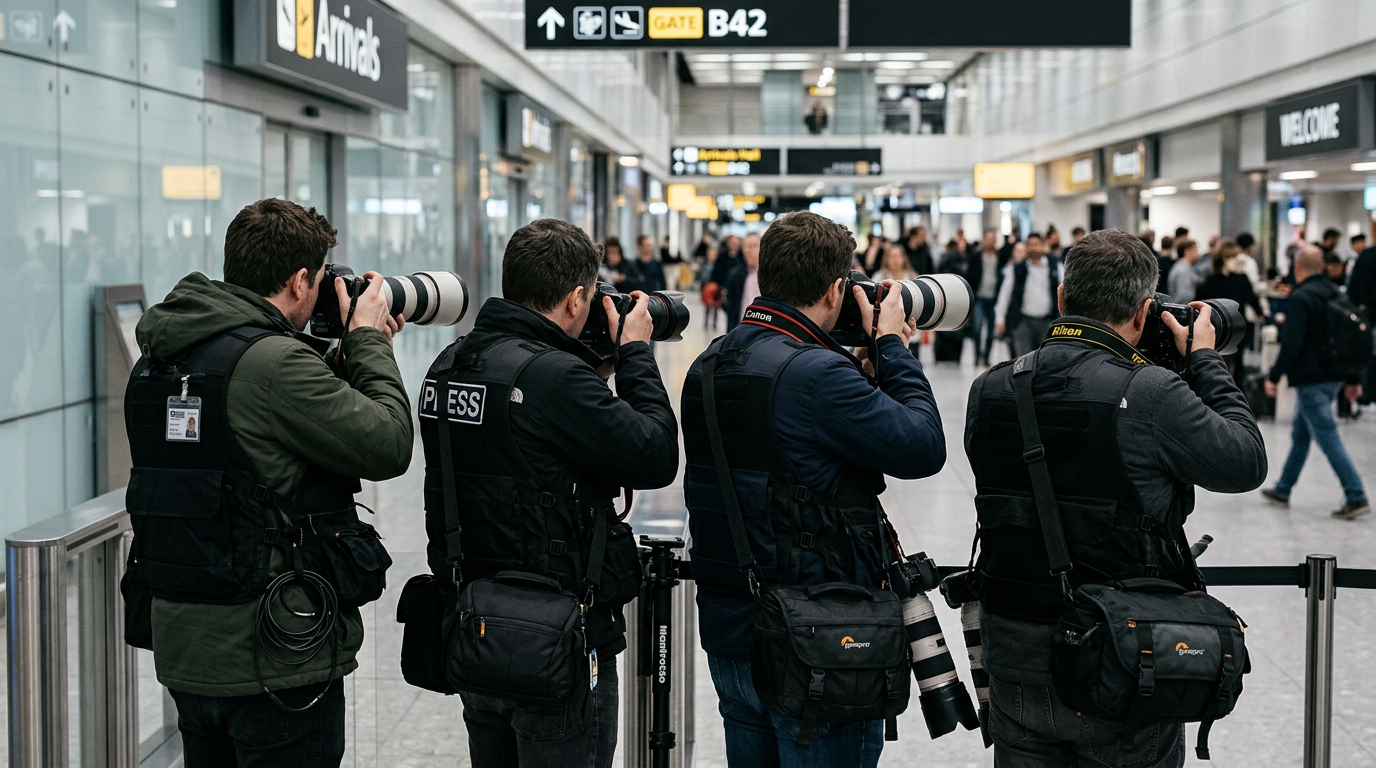
Experienced touring acts — especially nostalgic 90s bands — tend to be less demanding and more appreciative than some newer artists whose riders can read like tax returns. Either way, the tour manager consolidates every cost into a master plan that includes, for example, meeting the band on the tarmac for a private customs process to avoid 90 minutes in arrivals. That detail is operational theatre with two downstream effects: it sets the band’s mood on arrival, and it provides the media opportunity that boosts last-minute ticket sales.
6. PR & credibility: beating the fly-by-nighters
South Africa has a historical problem with fraudulent event promoters — the failed Kanye West tour became the canonical example of how an unconfirmed event breaks trust for every legitimate operator that follows. Three credibility tactics rebuilt that trust for the Goo Goo Dolls tour:
- Media at the airport. Strategically placed media at OR Tambo captures the band’s arrival — public, broadcastable proof that the artist is in the country. It triggered last-minute sales.
- Mandatory artist video confirmation. Contract clauses required the artists to record short, personalised video messages for South African fans before arrival. This mirrors the Nigerian market’s expectation of physical proof — and works equally well here.
- Reputable ticketing partners. The tour used Webtickets, iTickets and Computicket — established agencies that insure the public and only release funds to the promoter after a successful event. That escrow protects consumers and protects the next promoter on the calendar.
7. Designing the tour: three cities, one anchor venue
The tour-city hierarchy reflects the South African market in plain demographic terms:
| Rank | City | Why | Scale |
|---|---|---|---|
| 1 | Gauteng (Pretoria / Johannesburg) | Catchment of 10–15 million people; standard anchor for national tours | Anchor show |
| 2 | Cape Town | Strong demographic fit for the target audience — mature white females aged 35–50 | Capacitive anchor |
| 3 | Durban | Tertiary coastal market, smaller format | ~5,000 pax |
The Pretoria anchor — the Voortrekker Monument Amphitheatre — was chosen for reasons that should be on every promoter’s checklist for outdoor heritage venues:
- Excellent sightlines. The amphitheatre’s tiered structure means the back row is still a front-row experience.
- Strong local draw. Pretoria’s music market supports a stand-alone show at this scale.
- Zoned capacity. Previously approved for 20,000 people.
- Acoustic control. The monument’s structure produces cleaner sound containment than many converted stadium fields.
8. Insurance & contingency: from $1 million to $5 million
Insurance is what separates a tour operator from a tour casualty. Two changes made this rebuild easier:
- Public liability requirement has risen from $1 million to $5 million per event. Budget for it; don’t negotiate it down.
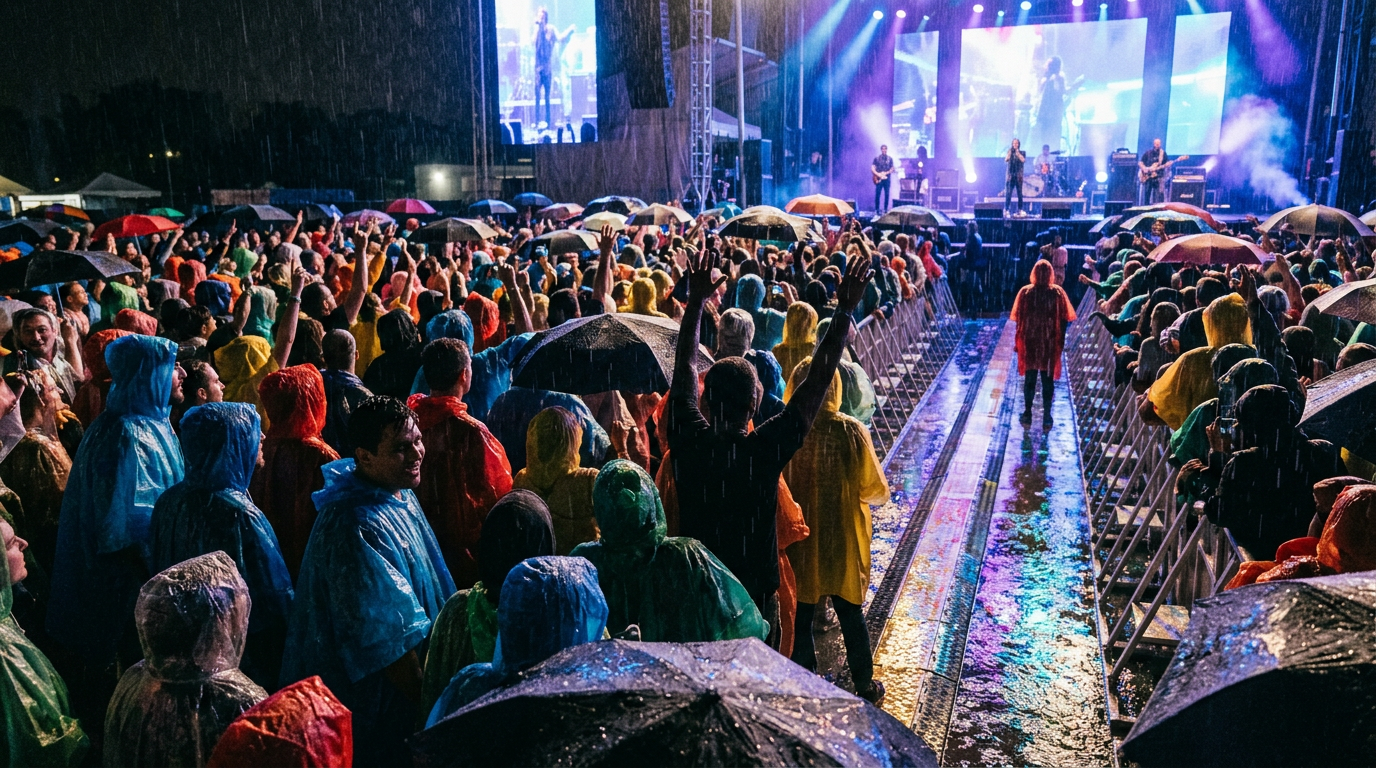
- Rain insurance. For the outdoor Durban date, the team insured 100% of ticket sales and supplier costs against cancellation. The Durban event was rained out — and the insurance paid every supplier deposit for work they had turned down to be there.
9. The playbook for aspiring promoters
If you are about to enter the international touring market in South Africa, three rules are not optional:
- Start small. Build with local and regional acts before pitching tier-two and tier-three internationals.
- Build agency relationships before you need them. Be a known promoter to CAA and WME South African desks long before you’re ready to bid.
- Work with experienced suppliers. They cost more. Their fee is what buys you the ability to absorb the inevitable surprises — a missing wire, a late customs clearance, a fussy rider item.
10. Key numbers & metrics
| Metric | Value |
|---|---|
| Time since last SA tour | 24 years |
| Paid research tools (annual) | ~R15,000 |
| Artist deposit | 50% of artist fee, upfront |
| Gauteng catchment | 10–15 million people |
| Durban show capacity | ~5,000 pax |
| Public liability cover | $5 million (up from $1 million) |
| Voortrekker Monument capacity | ~20,000 people zoned |
| Rain insurance coverage | 100% of ticket sales + supplier costs |
| Ticketing partners | Webtickets, iTickets, Computicket |
11. Key decisions summary
- Booked. Goo Goo Dolls returned to SA after a 24-year absence, capitalising on 90s nostalgia and an active global touring roster.
- Cities. Pretoria (Gauteng) as the anchor, Cape Town for the demographic match, Durban as a smaller tertiary date.
- Anchor venue. Voortrekker Monument Amphitheatre, Pretoria — sightlines, capacity and acoustics aligned to the demographic and the format.
- Risk cover. Full ticket + supplier rain insurance for the outdoor Durban date, which was ultimately rained out.
Prefer the operations side of event production? Read the companion piece in this series: How to Plan a Large-Scale Outdoor Event (the FNB Stadium beer garden guide) — or browse the full B&W Productions case study library.